Boot Care 101: Cleaning, Conditioning, and Storage
Your Boots Cost £200. Spend 10 Minutes Looking After Them.
A well-made pair of boots will last a decade if you care for them. The same pair, neglected, will last three years. The difference is not expensive products or complicated routines — it is ten minutes of attention every few weeks.
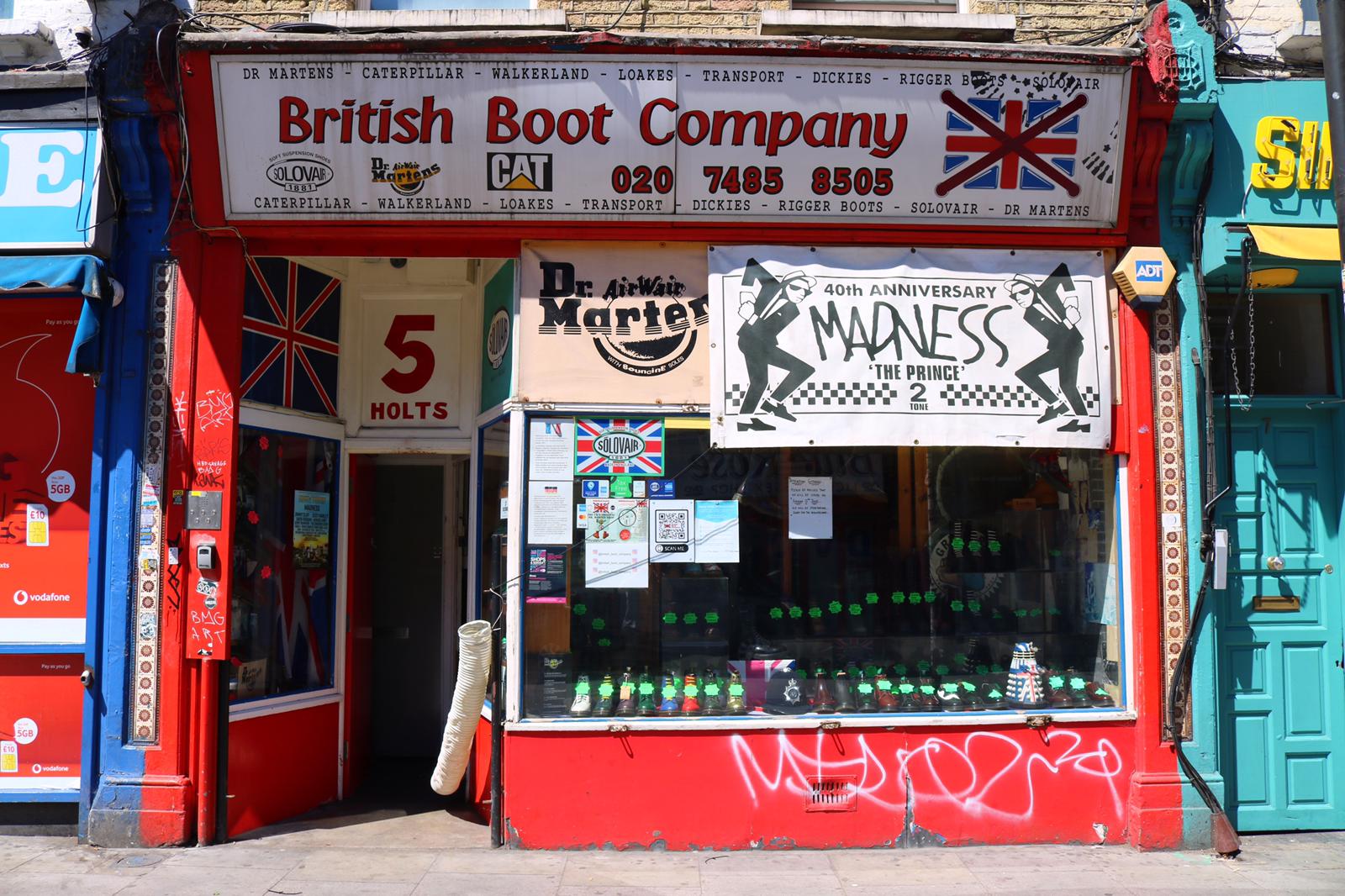
We have been selling and caring for boots at our Camden Town shop since 1851. We stock polishes, conditioners, and care products for every leather type. This is the routine we recommend.
Cleaning
Remove dirt before it dries and hardens. A damp cloth is sufficient for most cleaning. For mud or heavy grime, use a soft brush — a horsehair brush is ideal — to loosen the dirt, then wipe down with a damp cloth.
Do not use household cleaning products, washing-up liquid, or anything abrasive. Leather is skin. Treat it accordingly.
For suede, use a suede brush or eraser rather than a wet cloth. Water can stain suede. Brush in one direction to restore the nap after wearing.
Conditioning
Leather dries out over time, especially in heated indoor environments. Dry leather cracks. Cracked leather cannot be repaired. Conditioning prevents this.
Apply a leather conditioner or balm every 4–6 weeks for boots worn regularly, or whenever the leather starts to look dry or matte. Use a clean cloth, apply a thin layer, and work it into the leather with circular motions. Let it absorb for 15 minutes, then buff off any excess.
For greasy leather (like Solovair's greasy range), use a wax-based conditioner or dubbin. For hi-shine leather, use a cream polish that matches the colour. For aniline or natural leather, use a neutral conditioner.
Do not over-condition. Too much product clogs the pores of the leather and creates a sticky surface. A thin layer is always better than a thick one.
Polishing
Polish is not the same as conditioner. Conditioner feeds the leather. Polish adds colour and shine. You need both, but not at the same time.
Apply a thin layer of wax or cream polish with a cloth or brush, let it dry for five minutes, then buff with a clean horsehair brush or soft cloth. For a higher shine, apply a second thin layer and buff again.
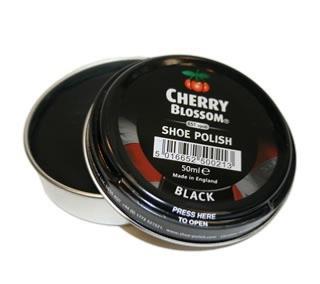
Match the polish colour to the boot. If in doubt, use neutral polish — it conditions and shines without adding colour. We stock a full range of polishes in our shop and online.
Waterproofing
Leather is naturally water-resistant but not waterproof. If you wear your boots in rain regularly, apply a waterproofing spray or wax treatment every few months. Beeswax-based products work well on smooth leather. Spray-on protectors work better on suede.
Be aware that heavy waterproofing can darken leather and reduce breathability. If your boots are primarily worn indoors or in dry conditions, conditioning alone is sufficient — you do not need to waterproof.
Drying
Wet boots need to dry slowly. Never put leather boots on a radiator, near a fire, or in direct sunlight. Rapid heat causes leather to crack and shrink. The glue on cemented soles can also fail under heat.
Stuff wet boots with newspaper or boot trees to absorb moisture and hold the shape. Replace the newspaper after a few hours if the boots are very wet. Let them dry at room temperature for 24 hours before wearing again.
If you only own one pair of boots and wear them daily, consider rotating with a second pair. Wearing the same boots every day without letting them dry fully between wears shortens their life significantly.
Storage
Store boots upright with boot trees or stuffed with newspaper to prevent the shaft from collapsing and the toe from creasing. Keep them in a cool, dry place away from direct sunlight. Sunlight fades leather over time.
If storing boots for a season, clean and condition them first, then store in a breathable cloth bag — not plastic, which traps moisture and can cause mould.
When to Resole
If your boots are Goodyear welted — all Solovair and most Loake boots — they can be resoled when the sole wears through. A cobbler removes the old sole and stitches a new one to the existing welt. The upper survives intact.
Signs it is time to resole: the tread is worn smooth, the heel is worn unevenly, or you can feel the ground through the sole. Do not wait until there is a hole — resoling is easier and cheaper when the welt is still in good condition.
Solovair sells replacement soles directly. A good cobbler can resole most Goodyear welted boots for £50–£80 — a fraction of the cost of a new pair.
The Kit You Need
A horsehair brush, a tin of matching polish, a neutral conditioner, and a couple of clean cloths. That is it. No specialist equipment required. We stock everything you need in our Laces & Polish collection.
Read our guide to breaking in new boots for advice on the first few weeks of wear.