How to Break In Leather Boots Without Destroying Them
It Hurts. That Is Normal.
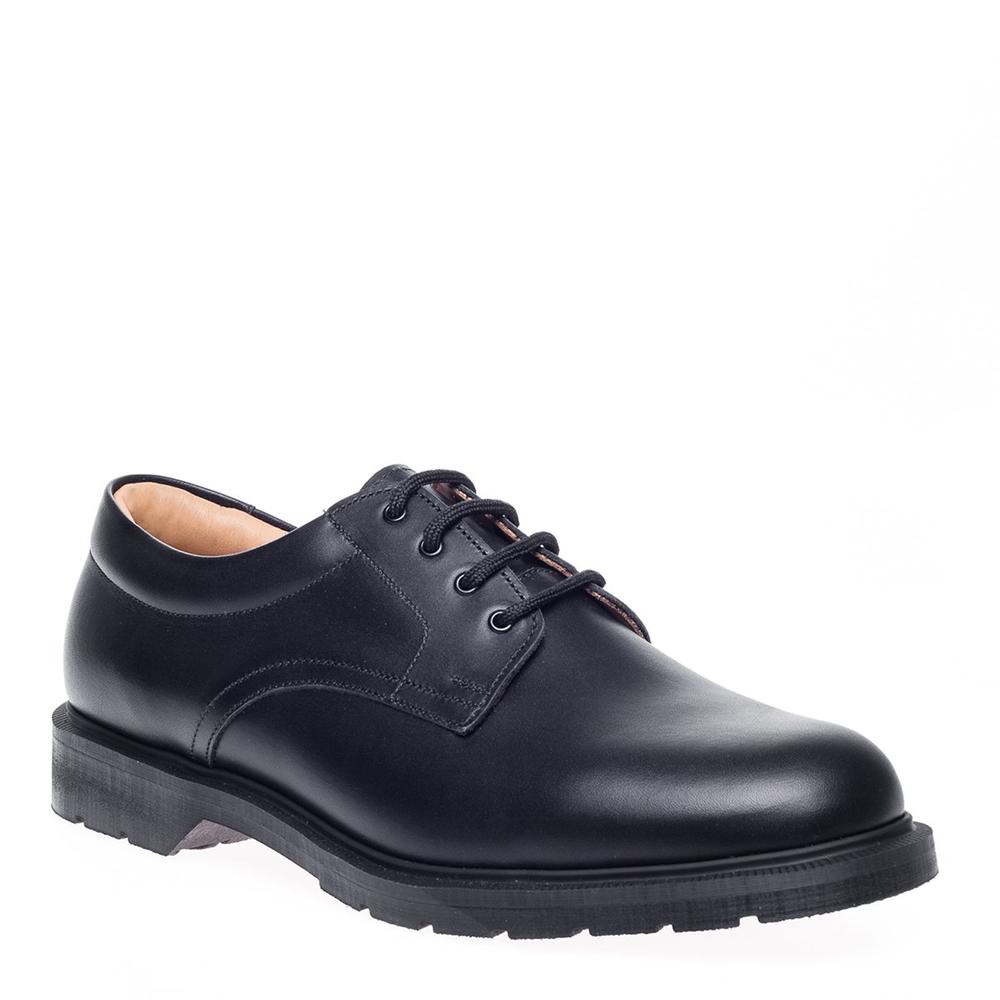
New leather boots are stiff. Good leather boots are especially stiff. If you have just bought a pair of Solovair or George Cox shoes and your feet are complaining on day one, that is not a defect — it is full-grain leather and Goodyear welted construction doing exactly what they should do before they do what they do best: mould to your feet and last for years.
The break-in period is the price of admission for a boot that will outlast five pairs of fast-fashion alternatives. Here is how to get through it without blisters, frustration, or the temptation to send them back.
How Long It Takes
Most Made in England boots take 1–2 weeks of regular wear to break in fully. Solovair typically takes 5–10 wears. George Cox creepers can take slightly longer because the thicker sole is less flexible initially. Loake boots vary by style — some are comfortable from day one, others need a week.
Standard Dr Martens — with thinner, corrected-grain leather and a heat-sealed sole — actually break in faster, but they do not mould to the foot the same way. The initial comfort advantage disappears over time as Goodyear welted boots conform and cemented boots stay static.
Week One: Short Sessions
Do not wear new boots for a full day on day one. Wear them for 2–3 hours around the house, then take them off. Do this for 3–4 days, gradually increasing the time. This lets the leather start to soften and the insole begin to compress without pushing your feet to the point of pain.
Wear the socks you plan to wear normally. Do not wear thin socks during break-in and then switch to thick socks later — or vice versa. The boot moulds to the combination of your foot and your sock, so consistency matters.
Week Two: Full Days
By the end of the first week, you should be able to wear the boots for a full day without significant discomfort. There may still be a pressure point or two — usually across the top of the foot where the leather flexes, or around the heel. These should diminish daily.
If a specific spot is causing persistent pain, try lacing the boots slightly differently around that area. With derby boots, you can skip an eyelet or loosen the lacing over the pressure point without affecting the rest of the fit.
What Helps
Leather conditioner: Apply a thin layer of conditioner or leather balm to the outside of the boot before the first wear. This softens the surface layer slightly and helps the leather flex more easily. Do not soak the boot — a light application is enough.
Thick socks: If you are experiencing friction, wear a slightly thicker sock during the break-in period. Once the leather has softened, switch back to your normal thickness.
Flexing by hand: Before wearing the boots, hold the sole and flex the boot back and forth several times at the toe crease. This loosens the sole-to-upper joint and makes the first steps easier.
Walking: The best way to break in boots is to walk in them. Not to stand in them — standing creates static pressure points. Walking flexes the leather, compresses the insole, and works the sole. A 30-minute walk does more for break-in than 3 hours of sitting at a desk.
What to Avoid
Water soaking: Do not submerge your boots in water or wear them deliberately in the rain to speed up break-in. Water can warp leather, loosen adhesives, and cause the insole to distort. Let the leather soften through wear and conditioner, not water.
Hairdryers and heaters: Never apply direct heat to leather boots. Heat cracks leather and can degrade sole adhesives. If your boots get wet, dry them slowly at room temperature with newspaper inside.
Wearing through the pain: If a boot is causing sharp, localised pain — not general stiffness but a specific hot spot — take them off. Blisters set the break-in process back because you cannot wear the boots while the blister heals. Short sessions prevent this.
When the Boot Is Wrong
Break-in should feel like gradual softening, not torture. If the boots are genuinely painful after a week of short sessions — if your toes are jammed against the end, if your heel lifts out with every step, if the width is compressing your foot — the boot may be the wrong size.
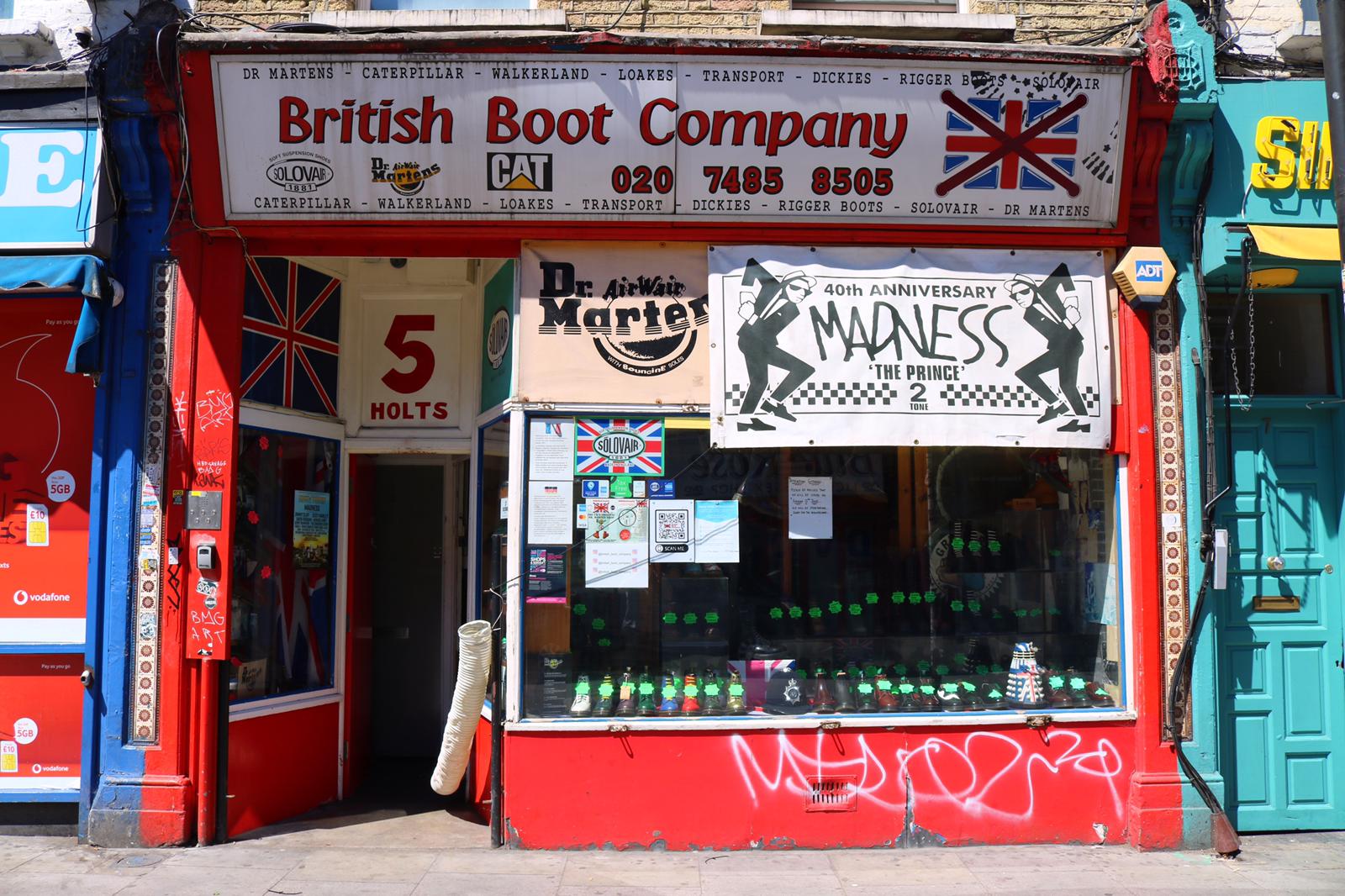
A boot that is too small will not stretch enough to become comfortable. A boot that is too large will never hold your foot properly. Read our Solovair sizing guide for specific fit advice, or visit us at the shop in Camden Town and we will tell you honestly whether the boot fits.
The Payoff
A properly broken-in Goodyear welted boot is one of the most comfortable things you can wear. The leather insole has compressed to match your foot exactly. The upper has softened to accommodate your foot shape. The sole flexes where your foot flexes. No two pairs are the same after break-in — they are yours.
This is why people keep their Solovairs for a decade. Not because they are too expensive to replace, but because the fit after six months is something no new boot can replicate.
Browse our Solovair range, our Loake range, and our care products. And read our Boot Care 101 guide for ongoing maintenance advice.