Inside the NPS Factory: Where Solovair and the Original Dr Martens Are Made
The Factory That Made the Original Dr Martens
The NPS factory in Wollaston, Northamptonshire has been making boots since 1881. For thirty-five of those years — from the late 1960s to 2003 — it manufactured Dr Martens under contract. Every pair of Dr Martens 1460s sold during that period came from this building, made by these workers, on these machines.
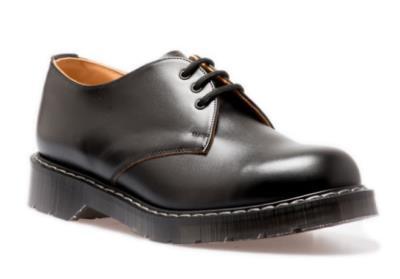
When Dr Martens moved production to Asia in 2003, the factory did not close. It kept making the same boots, using the same equipment and the same methods, under a different name: Solovair.
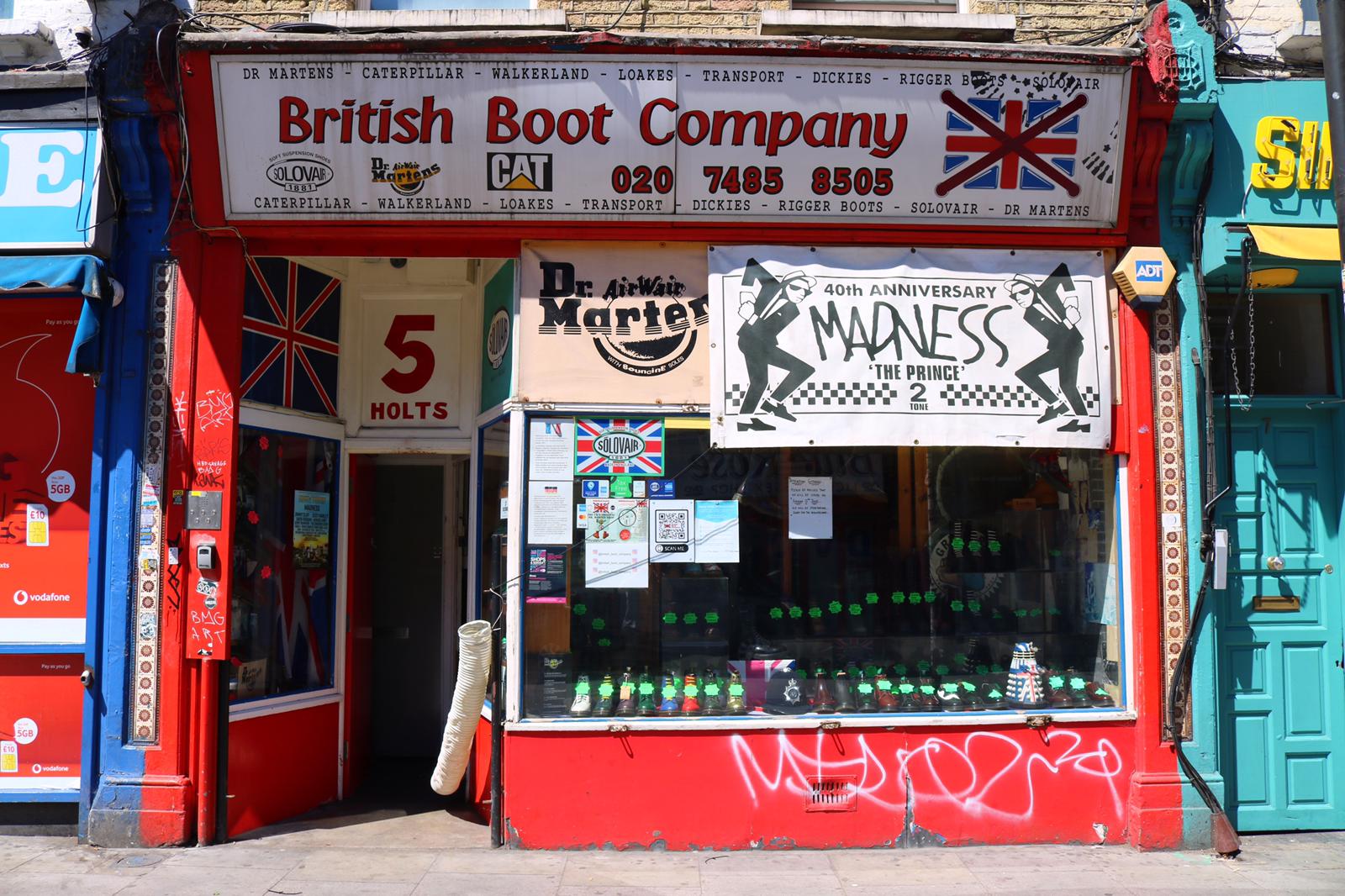
We have stocked Solovair at The British Boot Company since NPS began selling under their own brand. This is what happens inside the factory that made the boots you grew up in.
Wollaston and Northamptonshire
Northamptonshire has been the centre of British shoemaking for over 500 years. The county's position in the middle of England made it a natural hub for leather working — cattle markets were nearby, oak bark for tanning was abundant, and the road network connected the region to London and the industrial north.
By the nineteenth century, Northamptonshire was producing the majority of Britain's footwear. Wollaston, a village south of Wellingborough, became home to several boot factories. NPS — Northamptonshire Productive Society — was established there in 1881 as a cooperative.
Most of those factories are gone. NPS is still here. The building, the workforce, and the machinery have been in continuous operation for over 140 years.
How Solovair Boots Are Made
The process begins with leather selection. NPS sources its leather primarily from European tanneries — UK, Italian, and Spanish hides selected for consistency, thickness, and grain quality. Each hide is inspected and graded before cutting.
The uppers are cut by hand or using clicking presses — machines that stamp out the pattern pieces from the hide. A skilled clicker positions the patterns to avoid blemishes and maximise the usable area of each hide. This is a judgement call, not an automated process.
The cut pieces are stitched together to form the upper — the part of the boot that wraps around your foot. This is done on industrial sewing machines by machinists who have been doing this work for years, often decades.
The upper is then pulled over a last — a solid form shaped like a foot — and stretched into shape. This is called lasting, and it determines the fit and silhouette of the finished boot. NPS uses the same lasts that produced the original Dr Martens.
The Goodyear welting happens next. A strip of leather or rubber — the welt — is stitched around the perimeter of the lasted upper. The sole is then stitched to the welt. This double-stitch construction creates the waterproof, resolable structure that defines a Goodyear welted boot.
Finally, the boot is finished — edges trimmed, sole painted, leather polished, eyelets set, laces threaded. Each pair is inspected before leaving the factory.
The entire process, from leather selection to finished boot, takes significantly longer than machine-produced, cemented footwear. That time is the difference between a boot that lasts four years and one that lasts fifteen.
The Same Machines, the Same Methods
The Goodyear welting equipment at NPS is the same machinery that produced Dr Martens for decades. The lasts are the same lasts. The sole-stitching machines, the lasting equipment, the finishing tools — they did not change when the brand name changed.
This is why the comparison between Solovair and Dr Martens is so direct. Solovair is not an homage to the original Dr Martens or a competitor inspired by them. It is the same boot, from the same place, made the same way, by many of the same people. The only thing that changed was the label.
The Solovair Name
"Solovair" is a portmanteau of "Sole of Air" — a reference to the air-cushioned sole technology that the factory has been using since the 1960s. NPS chose the name to reflect the product's defining feature: the bouncing, cushioned sole that made Dr Martens famous.
The brand has grown significantly since 2003. Collaborations with Carhartt WIP and other brands have raised Solovair's profile internationally. But the factory has not changed its methods, its materials, or its standards. Volume has increased; quality has not been compromised.
Why the Factory Matters
You can describe a boot's construction on a product page. You can photograph the leather and the stitching. But the factory is where the real story lives — 140 years of continuous production, generations of skilled workers, and a commitment to doing things the slow, expensive, correct way.
When you buy a pair of Solovair boots, you are buying the output of that factory. Not a brand name, not a marketing campaign — a product made by people who have been making boots in the same building since Queen Victoria was on the throne.
Read What Made in England Actually Means in 2026 for the broader context, or browse our full Solovair collection.