Chelsea Boots vs Derby Boots: Which Style Is Right for You?
Two Boots, Different Jobs
The Chelsea boot and the derby boot are the two most popular boot styles in Britain, and they could not be more different. One pulls on, one laces up. One works with a suit, one works with a mosh pit. Choosing between them is not about which is better — it is about what you need the boot to do.
We sell both in quantity from our shop in Camden Town. Here is how they compare, who should buy which, and what to look for in each.
The Derby Boot
The derby boot — also called a lace-up boot or, in Dr Martens terminology, the 1460 — is the workhorse of British footwear. It has an open lacing system, meaning the eyelet facings are stitched on top of the vamp and can be pulled wide apart. This makes it easy to get on and off and allows for a more adjustable fit.
The classic 8-eye derby is the format most people picture when they think of boots. It sits above the ankle, provides good support, and has enough presence to look intentional without being loud. The Solovair 8-Eye Derby and the Dr Martens 1460 are the two reference points.
Best for: everyday wear, casual outfits, jeans, workwear-inspired dressing, subcultural style. The derby boot does not try to be elegant — it tries to be reliable, and it succeeds.
Lacing options: 6-eye (low), 8-eye (standard), 11-eye (mid-calf), 14-eye (tall), and 20–30 eye for the fully committed.
The Chelsea Boot
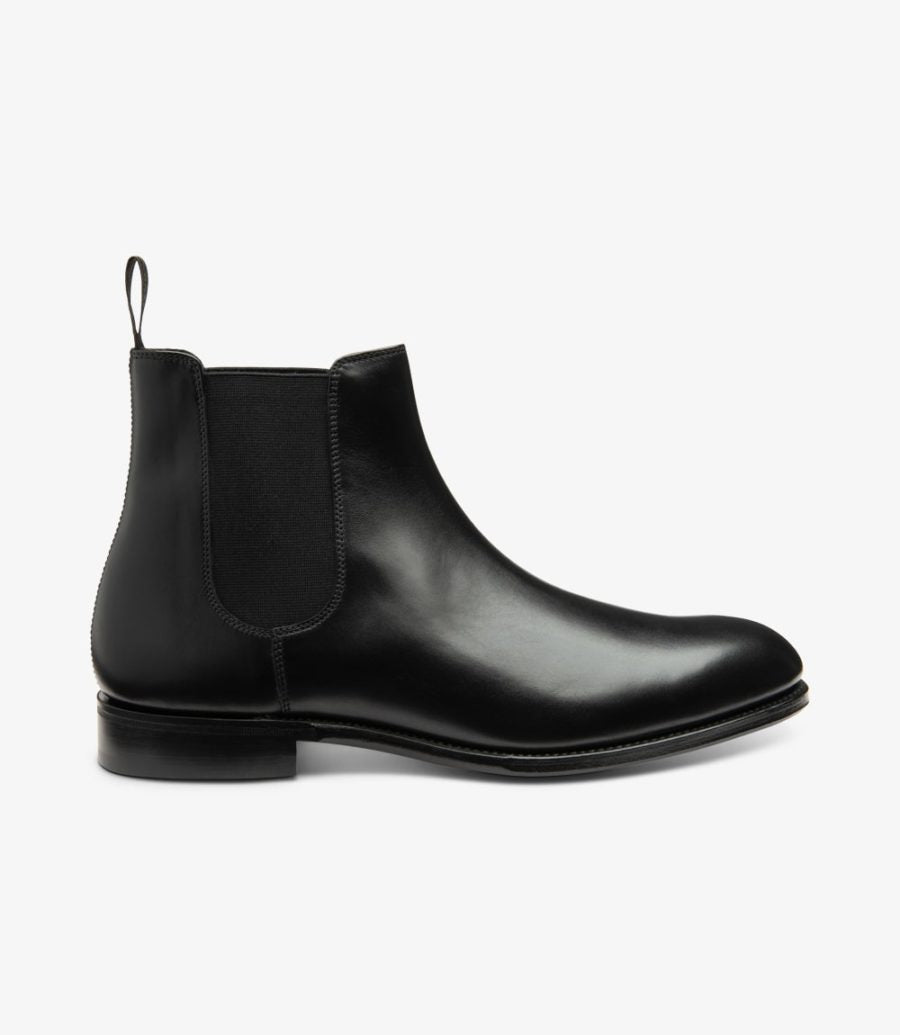
The Chelsea boot has no laces. It uses elasticated side panels — gussets — to hold the boot on the foot, with a pull tab at the back for getting it on. The silhouette is clean, narrow, and sits close to the ankle.
The style was originally designed for Queen Victoria's riding in the 1850s, but its modern identity comes from the Kings Road in Chelsea in the 1960s, where The Beatles, The Rolling Stones, and the mod movement made it a fashion staple. The name stuck.
A good Chelsea boot splits the difference between a boot and a dress shoe. It has enough structure to feel substantial but enough refinement to work with trousers, chinos, and even some suits. Solovair produces an excellent dealer boot in several leathers, and Loake makes some of the best Chelsea boots in Britain.
Best for: smart-casual dressing, tailored outfits, going from office to pub without changing shoes, travel. The Chelsea boot is the boot for people who want a boot that does not look like a boot.
Construction Differences
The construction method matters more than the style when it comes to longevity.
A Goodyear welted Chelsea boot — like the Solovair Dealer or a Loake Chelsea — can be resoled and will last a decade or more. A cemented Chelsea boot will last three to five years, and when the sole goes, the boot goes with it.
The same applies to derby boots. A Goodyear welted Solovair derby outlasts a standard Dr Martens derby by years, because the sole is stitched rather than bonded.
At BritBoot, we always recommend buying the best construction you can afford, regardless of style. A well-made Chelsea boot at £220 will cost you less per year than a cheap one at £100.
Fit and Comfort
Derby boots win on adjustability. The lacing system lets you tighten or loosen the boot around your instep, which matters if your feet swell during the day or if you wear thick socks in winter and thin ones in summer. You can also control how high the boot sits on your leg by varying how tightly you lace the upper eyelets.
Chelsea boots win on convenience. No laces means you can pull them on in ten seconds. But the fit depends entirely on the elasticated gusset and the shape of the last. If the boot does not fit your foot shape, there is no lacing to compensate. This is why trying on Chelsea boots in person matters more than with derby boots.
Break-in works differently too. Derby boots flex at the lacing, which distributes pressure across the tongue and eyelet facings. Chelsea boots flex at the gusset and across the instep, which can create pressure points if the fit is not right. A well-fitted Chelsea boot is one of the most comfortable things you can wear. A poorly fitted one is miserable.
Styling
Derby boots — pair naturally with straight or slim jeans, chinos, cargo trousers, and anything workwear-influenced. The higher the eyelet count, the more the boot dominates the outfit. An 8-eye sits neatly under jeans. A 14-eye is a statement piece that wants to be seen.
Chelsea boots — pair naturally with tailored trousers, slim jeans, and smarter chinos. The clean silhouette disappears under a trouser leg in a way that a lace-up cannot. A black leather Chelsea with dark trousers is one of the easiest outfits in menswear.
Neither style is gender-specific. We fit men and women in both, daily.
Which Should You Buy?
Buy a derby boot if: you want versatility, adjustable fit, subcultural credibility, and a boot that works equally well with jeans on Saturday and workwear on Monday. Start with the Solovair 8-Eye Derby.
Buy a Chelsea boot if: you want something that crosses between smart and casual, pulls on without fuss, and works with trousers as well as denim. Start with the Solovair Dealer Boot or a Loake Chelsea.
Buy both if: you are serious about boots. They serve different occasions, and having one of each covers almost every situation.
Come to our Camden Town shop and try both side by side, or browse Chelsea boots and derby boots online. And if sizing is a concern, read our Solovair vs Dr Martens comparison for detailed fit notes across brands.